How to Choose the Perfect Blackout Blinds
If you’ve ever struggled to get a good night’s sleep because of streetlights or early morning sunshine, blackout blinds might be the game-changer you’ve been looking for.
Designed to help block out unwanted light, they help create a calm, dark environment that’s ideal for sleeping, relaxing, or watching a movie.
But they can be tricky to get right, and some people end up being disappointed with the results. Especially with so many styles, materials, and mechanisms available, choosing the right blackout blinds can feel overwhelming – that’s why we’ve created this guide.
Do I need “blackout” or “blockout” blinds?
“Blackout blinds” has always been a bit of a misleading term, as it gives the impression that they can turn day into night, but they can’t actually stop all light. You may see some blinds now called “blockout” instead. Block-out fabric will do just as it says, blocking any light coming through the fabric itself.
The fabric will normally consists of a fabric front with an additional layer blockout layer fused to the back. In some cases, this will be the same colour as the blind, or it could be white. Seeing a sample of the fabric is the best way to see if both sides of the fabric are acceptable for the area you wish to have the blind fitted.
Remember: Light can still sneak in around the edges on all blinds – it bounces off surfaces and will always find a way in. This is called “light bleed”. Look for blinds labelled blockout/blackout or thermal blackout for the best results and consider a full cassette with a side-channel system if you need more darkness.
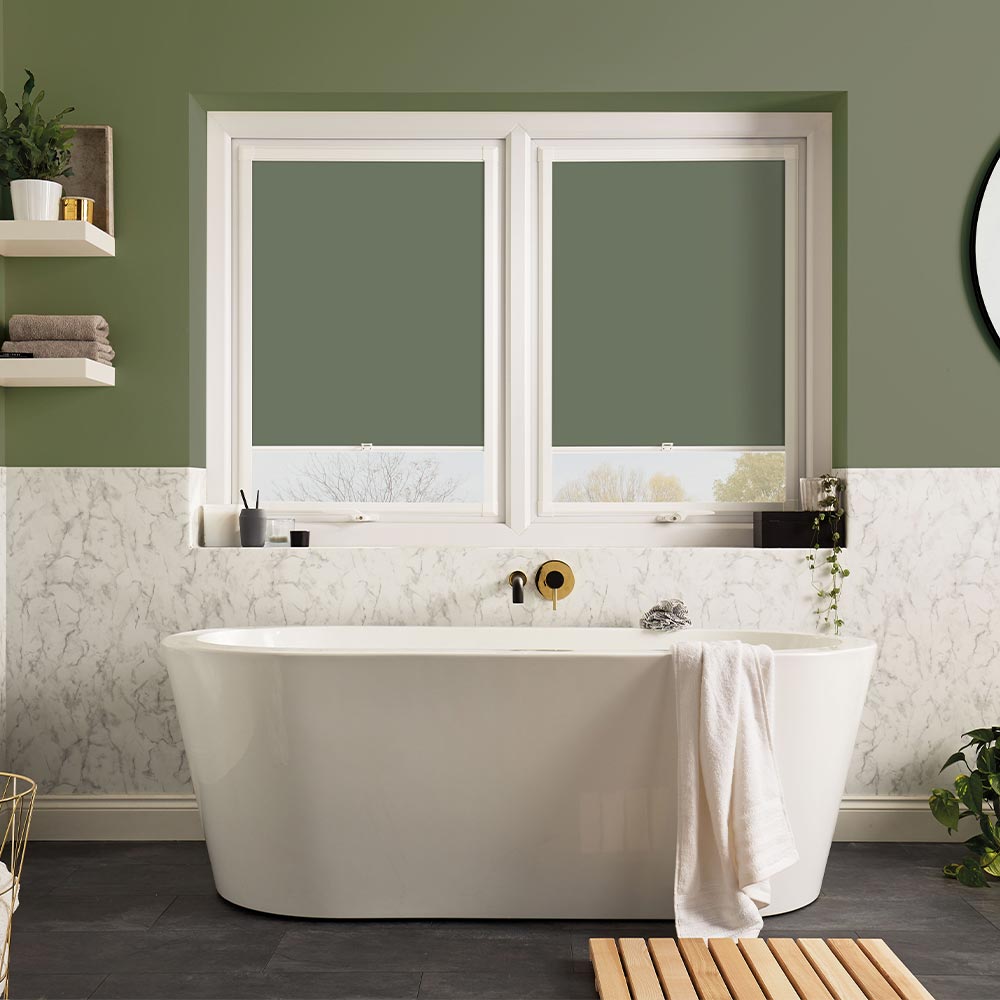
Tips on getting the most out of your blackout blinds
There are three really important things to consider when choosing blackout blinds.
- Choosing the right fabric: Blackout blinds are made from multi-layered fabrics that prevent light from passing through. Many have a special backing or lining, usually in white, grey, or reflective silver — that stops light from penetrating the material. So even if the visible surface is cream, navy, or patterned, the lining ensures light cannot pass through.
- Choosing the right type of blind: Some blinds are better than others at blocking light, and your choice will depend on the room, your needs and your budget. Luckily, we’ve got all of those bases covered and can help you choose exactly the right blind for the job!
- Fitting and Measurement is key to making sure that there are no large gaps for light to sneak in. Our team can help you decide if an inside or outside recess fit will work better for your space, and our fitters will always make sure your blinds are professionally fitted for the best fit.
Choose the right blind for your space
There are a wide range of blackout/blockout blinds to suit different needs and aesthetics. Here are the most popular types:
- Full Cassette Screen Blind – This is the closest you’ll get to a full blockout blind. The fabric sits in channels and is surrounded on four sides to stop light bleed. You may need a little additional work (i.e. Corking etc to keep any light out) to the window if it is not square to achieve maximum blackout effects, but if darkness is your ultimate goal, this would be our top recommendation.
- Roller Blinds are simple, sleek, and effective. They are great in any room within the home, work well in offices, and with the right fabric are great in high moisture areas like kitchens and bathrooms. The fabric will block out the sunlight, although you will have a little light bleed around the edges of the blind, but this is generally acceptable for most people.
- Perfect fit Blinds – perfect fit blinds fit snugly into the frame of your uPVC windows, making them an ideal choice for blocking light. Although, again, they’re not classed as full blockout as they do get a little light seeping around the edges they’re a great option if you like like a neat and tidy look.
- Blinds screens – new for 2025, blind screens are the ultimate in framed blinds. Suitable for extra-large windows, and pairable with an insect-repellent mesh panel they are perfect for patio and French doors.
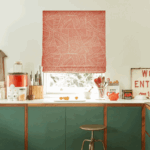
- Roman Blinds – are an upholstery fabric which can be lined with blockout Lining. The Blockout lining will stop the light coming through the fabric, but you will experience a little bit of light bleed around the edges of the blind. For this reason, they are not classed as a full blockout, but if you’re looking for a soft, luxury finish they might be just the ticket.
- Vertical Blinds –Unfortunately, vertical blinds will never be a true blockout option. Blockout fabric is thicker than normal vertical blinds fabric and can create bigger gaps when closed. You will get slat on slat light bleed around all edges, and this should be taken into consideration if you choose this option. They’re still great for watching a movie in the daytime and stopping the sun from glaring on your TV screen.
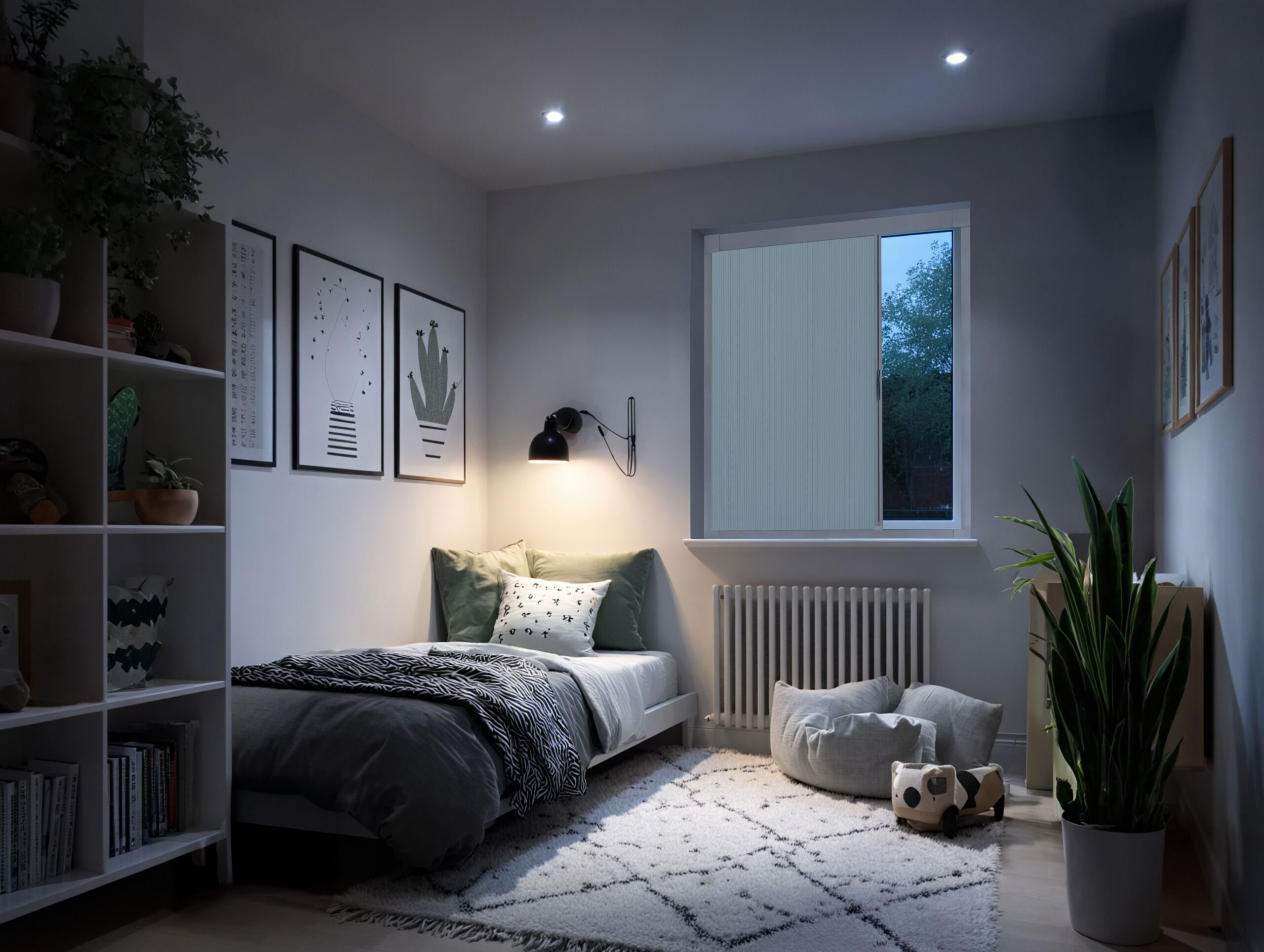
- Pleated and Cellular (Honeycomb) Blinds – Pleated and Honeycomb blinds are available with blockout fabrics, but will not be a true blockout, due to the light seeping around the edges. If you decide on standard pleated blinds, you will get extra light through the holes where the operating cord sits. Honeycomb (cellular) blinds cord runs through the cell of the fabric so this would reduce light bleed. We love these blinds because they not only block light but also insulate your home, improving energy efficiency.
- Motorised Blackout Blinds – A modern upgrade that lets you control light levels with the touch of a button — great for high or hard-to-reach windows.
Book an appointment
Choose your perfect fabric and blind in the comfort of your home with our expert team.
request appointmentWhat’s the best colour for blackout blinds?
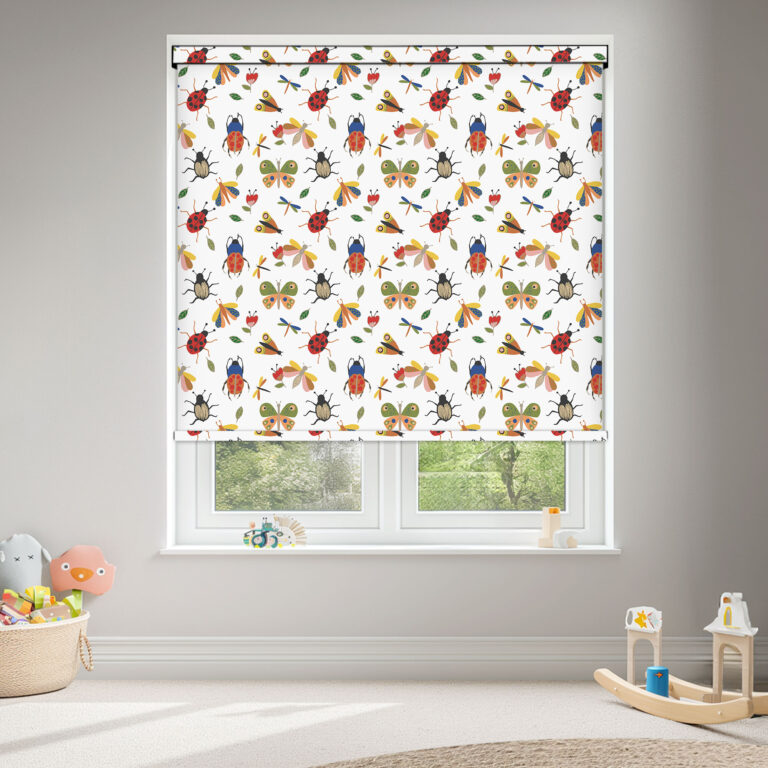
You can find blackout blinds in virtually any colour or design — from bright pastels to deep tones, even printed patterns. The outside layer can match your décor, while the inner blackout layer does all the functional work.
For example:
- A white blackout blind can still help a room be darker, and adds light/heat reflection in the summer. They’re great for south facing bedrooms.
- A patterned Roman blind with blackout lining can combine style and sleep-friendly function, and offer a really lovely soft finish.
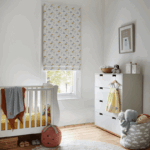
- Children’s blackout blinds not only block light, but also come in some fun and vibrant designs. What’s more, our child-friendly blinds are safer, with no loose cords or chains.
What about patterned blackout blinds?
Blackout doesn’t have to mean boring. Today’s blinds come in a huge variety of colours and patterns — from crisp whites and greys to bold tones that make a statement. You can even find everything from bold retro designs to modern geometric.
A Note on Light Leakage
The only time colour might make a difference is if light seeps around the edges of the blind (not through the fabric). In that case, darker blinds look like they block more light simply because the contrast is less noticeable — but the performance is about the same.
To get true darkness, fit your blinds snugly inside or outside the window recess, or use full cassette or perfect-fit blinds to eliminate gaps.
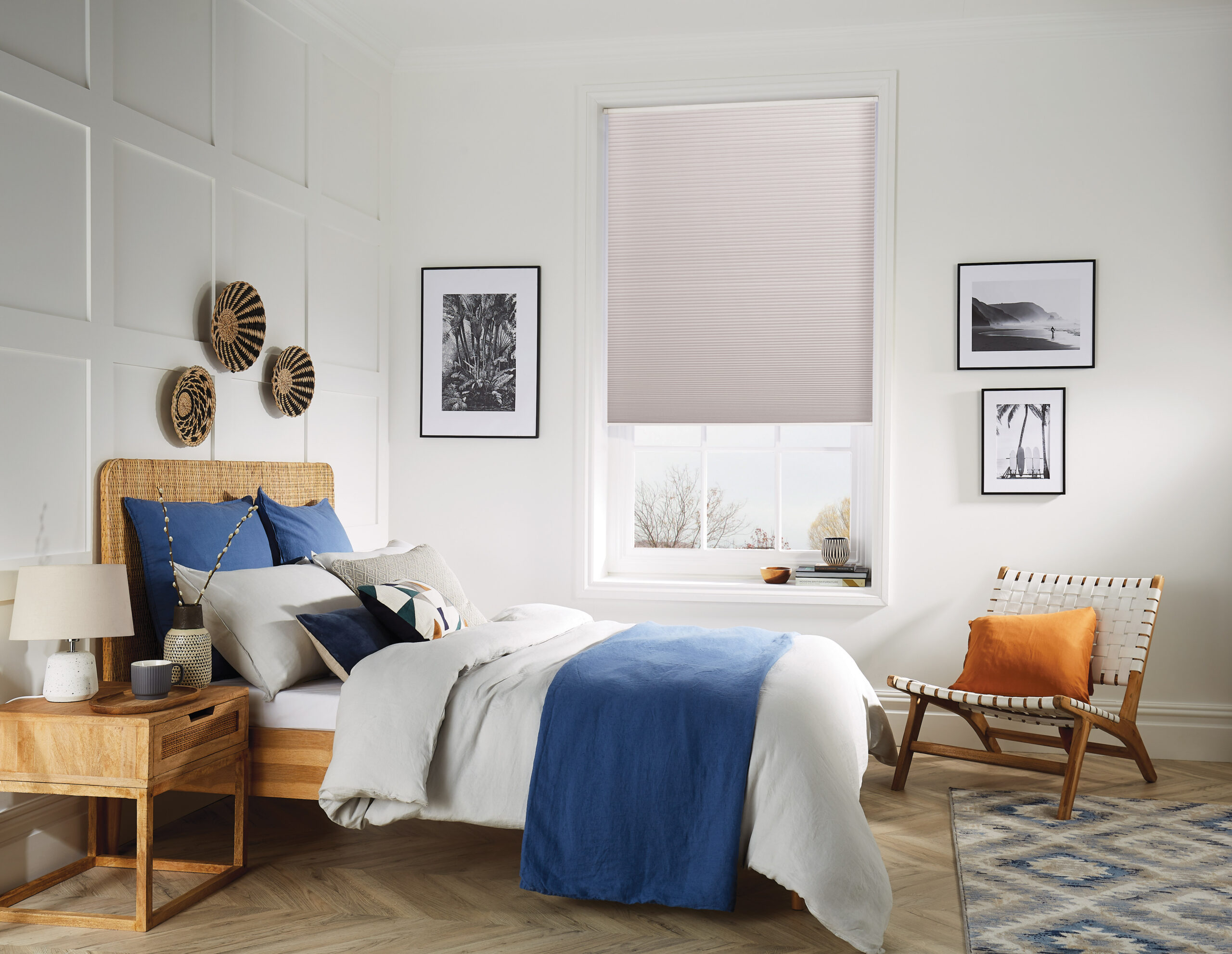
Added benefits of blackout blinds
Blackout blinds do more than just block light. Many are designed to improve your home’s insulation and reduce noise from outside.
- Thermal blackout blinds help keep your room cool in summer and warm in winter.
- Acoustic blackout blinds can reduce street noise — a great bonus for city living (or if you don’t like being woken by the birds in the morning).
Do Blackout Vertical Blinds work?
We get asked this a lot – and the answer is vertical blackout blinds can be a good choice in the right circumstances — but they also come with trade-offs.
Whether they “work” depends a lot on how they’ll be used, where, and what your priorities are (light control, aesthetics, noise, budget, etc.). During your appointment, we’ll run through the pros and cons so you can decide if they’re right for your situation.
If you’re looking for maximum darkness, we wouldn’t recommend them – and would suggest panel or blinds screens as an alternative for larger windows and doors.